Unlocking Opportunities: A Complete Overview to Small Business Funding
The realm of small business capital presents both challenges and opportunities for aspiring business leaders. Recognizing financial requirements is critical before considering multiple alternatives like traditional loans, grants, and investor relationships. Every option carries unique qualification criteria and procedures. A thoroughly developed business plan can considerably strengthen the prospects of securing financial support. Still, many business proprietors miss important factors that could unlock their full capabilities. What are these vital elements, and how can they effectively navigate this complex terrain?

Assessing Your Funding Needs for Small Business
How does a small business accurately assess its financial requirements? To assess funding needs, a business must first conduct a thorough analysis of its day-to-day expenditures, including fixed costs alongside variable expenses. This evaluation should encompass initial startup costs, merchandise, equipment, and continuing expenditures such as utilities, payroll, and rent.
Next, calculating revenue projections for the first year at minimum helps identify potential cash flow gaps. Companies should additionally evaluate their growth strategy, determining how much capital is required to expand operations or penetrate new markets.
Moreover, conducting a break-even analysis can clarify the minimum sales volume needed to cover costs, giving a clearer picture of how much funding will be necessary to attain financial sustainability. By merging these financial assessments, small business owners can formulate a comprehensive funding needs plan, positioning them to connect with financial backers with precise and defensible funding requirements.
Navigating Traditional Financing Options for Startups
Traditional loan options provide startups with vital financing options. Recognizing the various types of loan products, their approval requirements, and the loan process is important for business owners pursuing funding assistance. This summary will detail the primary factors required for exploring standard financing pathways.
Types Of Traditional Loans
Navigating the terrain of small business funding can be intimidating, especially for startups seeking traditional loan alternatives. Traditional loans primarily include term loans, which deliver a lump sum that is repaid over a set period, typically used for major purchases. Another common option is the Small Business Administration (SBA) loan, created to support small businesses with advantageous terms and lower interest rates. Additionally, equipment financing enables startups to obtain necessary machinery while using the equipment itself as collateral. Furthermore, lines of credit provide flexibility, allowing businesses to borrow funds as needed up to a specified limit. Each loan type presents unique advantages, making it important for startups to evaluate their specific needs and financial conditions before making a decision.
Understanding Eligibility Requirements
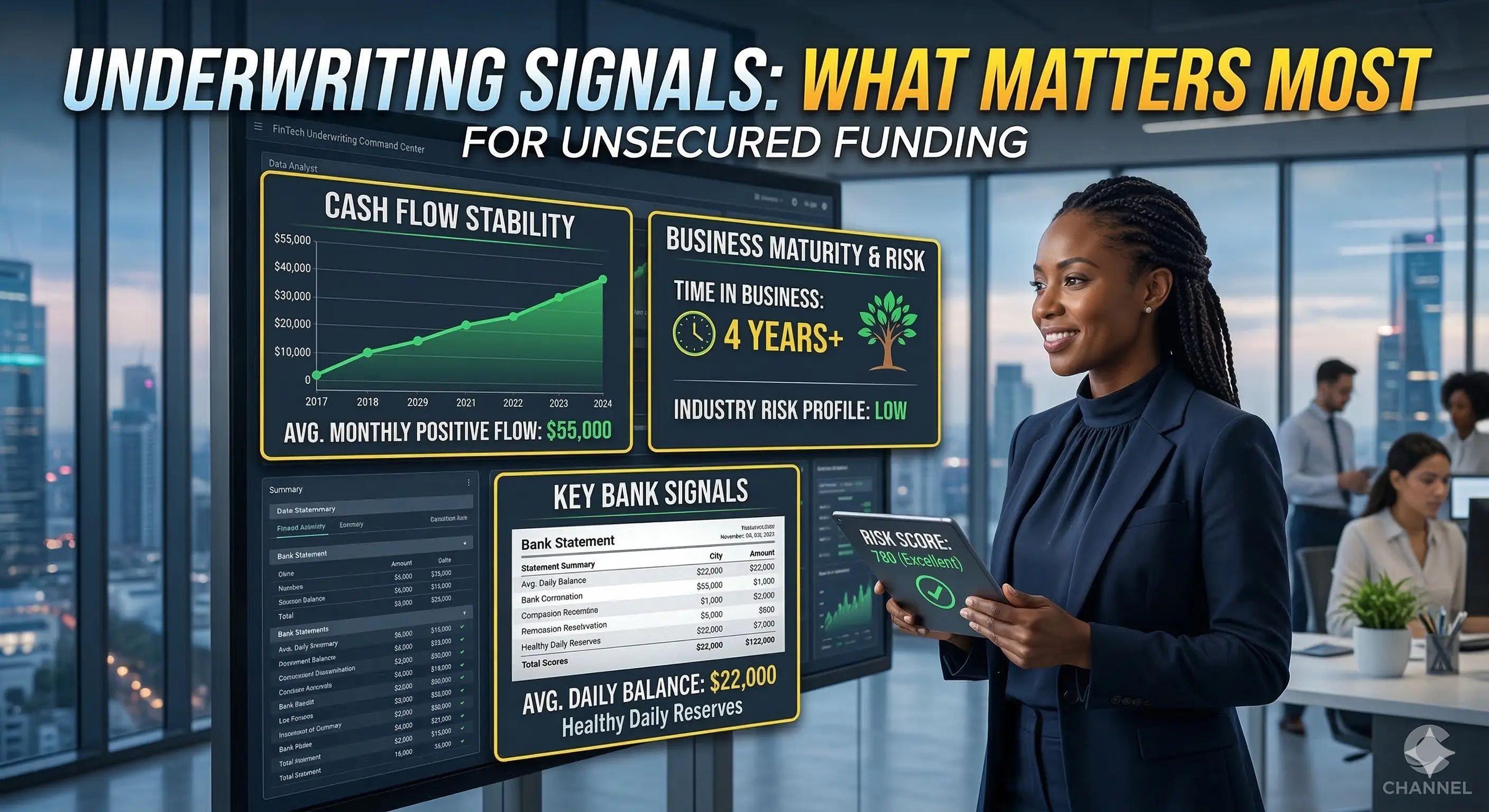
Understanding qualification criteria is essential for startups seeking standard bank loans, as these factors can greatly influence their likelihood of securing funding. Generally, lenders examine multiple considerations, including creditworthiness, business plan viability, and cash flow projections. A solid credit history typically bolsters a new business's trustworthiness, while a carefully crafted operational plan demonstrates growth potential. Furthermore, financial institutions may demand assets to reduce financial exposure. Startups should also factor in the length of time in business, as most conventional financing options favor seasoned companies over newer ventures. Additional factors may include business sector and personal assurances from business owners. By thoroughly understanding these criteria, emerging companies can better position themselves to meet lender expectations and increase their likelihood of obtaining financing.
Application Procedure Overview
Managing the process of applying for financial assistance can be a challenging task for many startups. Knowing the steps required is essential for obtaining financing. First, startups must collect necessary documentation, including comprehensive business plans, financial statements, and individual credit histories. Next, they should identify suitable lenders, which may include traditional banks, credit unions, or alternative lending sources. Each lender has unique requirements, so tailoring applications to meet these specifics is crucial. Following the submission of the application, startups should anticipate a thorough review process, which may involve meetings or requests for further documentation. Finally, if approved, reviewing the loan terms and conditions is vital before agreeing to the terms, ensuring that startups make informed decisions about their fiscal responsibilities.
Uncovering Grants and Competitions for Small Business Funding
How can small businesses tap into the broad landscape of funding grants and contests to secure funding? Grants and competitions offer exceptional funding possibilities that can substantially assist new ventures and seasoned companies alike. Various government agencies, nonprofit organizations, and private foundations provide grants aimed at particular industries, demographics, or groundbreaking projects. Such funds generally require no repayment, making matching information them highly attractive.
Contests, on the other hand, frequently include pitching business ideas to evaluators for cash prizes or investment offers. They additionally deliver valuable exposure and industry relationships. Small businesses should actively research local, state, and national grants and competitions, carefully considering qualification requirements and submission timelines. References like public agency portals, startup incubators, and trade organizations can guide entrepreneurs in identifying suitable opportunities. By strategically leveraging these funding avenues, small business owners can strengthen their development outlook and operational efficiency.
Mastering Crowdfunding Platforms for Your Business
Navigating crowdfunding platforms necessitates careful consideration of both the right platform and a captivating campaign message. Every platform provides unique tools and communities, making the selection process vital for success. Additionally, a carefully developed message can greatly influence the potential backers' inclination to fund the business.
Picking The Right Platform
How does one determine which crowdfunding platform aligns best with a business's goals and demographic? Picking the ideal platform necessitates a thorough assessment of several key factors. All crowdfunding sites present their own set of features, target markets, and pricing structures. To illustrate, solutions like Kickstarter are well-suited for creative initiatives, while Indiegogo typically embraces a more diverse array of ventures. Companies ought to assess their particular requirements, including financial targets, project categories, and community involvement. Moreover, examining accomplished campaigns in related fields can offer significant lessons. The platform's community and support resources can also play a significant role in achieving funding success. Ultimately, a well-informed choice can enhance visibility and increase the likelihood of reaching financial objectives while fostering a strong connection with potential backers.
Crafting Your Campaign Message
Choosing the most suitable crowdfunding platform lays the groundwork for a thriving campaign, but the impact of a persuasive campaign message must not be ignored. A well-crafted message should resonate with potential backers, effectively communicating the business's mission and aims. It must stir feelings, illustrating why the project matters and how it can beneficially impact the community or market. Adding a personal account can enhance relatability, making it more natural for investors to relate. Moreover, succinctly outlining the financial requirements and what backers will obtain in exchange is essential. Graphic materials, such as engaging images or videos, can additionally enhance the message, capturing attention and stimulating distribution. At its core, clarity and authenticity are crucial in inspiring potential supporters to invest in the initiative.
Deciding Between Angel Investors and Venture Capital?
When considering funding options, founders commonly debate how to differentiate between angel funding and venture capital firms. Individual angel investors commonly contribute personal funds, providing not only financial support but also valuable mentorship and key industry connections. They tend to fund businesses in their early stages, focusing on the potential for growth and innovation. On the other hand, venture capital firms manage pooled funds and typically commit larger amounts of capital, frequently targeting established businesses with scalable models. This type of funding usually comes with a more formal structure, including rigorous due diligence and a focus on exit strategies.
The decision between the two often copyrights on the business owner's particular requirements. For those seeking a hands-on approach with guidance, angel investment may prove more suitable. In contrast, if a venture demands considerable financial resources for swift development, venture capital might be the ideal solution. Ultimately, understanding the impact of each funding source is vital for sound financial planning.
How to Build a Compelling Business Plan for Funding
Building a compelling business plan for funding is critical, as it serves as the blueprint for potential backers to evaluate the direction and viability of a enterprise. A thoroughly prepared plan generally contains an comprehensive overview, outlining the business idea and commercial opportunity. It should outline the core mission, strategic vision, and unique value propositions that differentiate the business from competing enterprises.
Furthermore, detailed market research is important, supplying knowledge into target audiences and market trends. Fiscal projections, including cash flow analyses and break-even calculations, highlight the organization's financial viability.
In addition, a robust marketing approach should clearly define how the organization aims to draw in and hold target audiences. To conclude, management and operational plans are crucial, demonstrating the team's competencies and the process of implementing the operational model. By meticulously crafting these sections, entrepreneurs can effectively communicate their objectives, improving the chances of obtaining investment.
Cultivating Strong Relationships With Investors
Obtaining funding is just the start; nurturing meaningful relationships with investors is vital for lasting achievement. Confidence and clear communication establish the basis of these partnerships. Founders are encouraged to share frequent assessments of business development, highlighting achievements and confronting obstacles openly. This cultivates a spirit of collaboration and maintains investor interest.
Furthermore, recognizing investors' goals and connecting them to the corporate vision is of great importance. By highlighting how their capital contributions further collective targets, entrepreneurs can improve dedication and endorsement.
In addition, appreciating investors' insights and soliciting their counsel can solidify ties. This simultaneously signals respect for their knowledge but also fosters meaningful participation in the business's development.
Essentially, fostering these relationships can open doors to further investment possibilities, critical knowledge, and a collaborative framework that can advance the business. A proactive approach to investor relations is not just beneficial; it is a strategic necessity for sustained success.
Popular Questions We Receive
What Are the Most Frequent Mistakes When Seeking Small Business Funding?
Frequent errors made when seeking small business funding involve poor organization of financial documentation, absence of a well-defined business plan, unrealistic funding requests, neglecting to explore available funding options, and not addressing potential lender concerns effectively.
What Are the Best Ways to Boost My Credit Score for Improved Funding Options?
To enhance a credit score for improved financing opportunities, one should ensure all bills are paid punctually, lower debt-to-income ratios, dispute inaccuracies on credit reports, and avoid opening multiple new accounts simultaneously.
What Documents Are Commonly Required for Funding Applications?
Loan applications typically require documents such as a business plan, financial statements, tax returns, identification, and income verification. This paperwork allows lenders to assess the applicant's financial health and repayment capability effectively.
How Long Does the Funding Application Process Normally Take?
The funding application process usually takes anywhere from a few weeks to several months, subject to the requirements of the lender, how complex the application is, as well as the thoroughness of the documentation submitted by the applicant.
What Steps Should I Take if My Funding Application Gets Rejected?
Should a funding application be rejected, the person should go through the feedback in detail, determine where improvements can be made, explore other available funding sources, develop a stronger and more compelling proposal, and resubmit their application with improved knowledge of the criteria and expectations.